Protection against Discrimination and Human Rights Violations
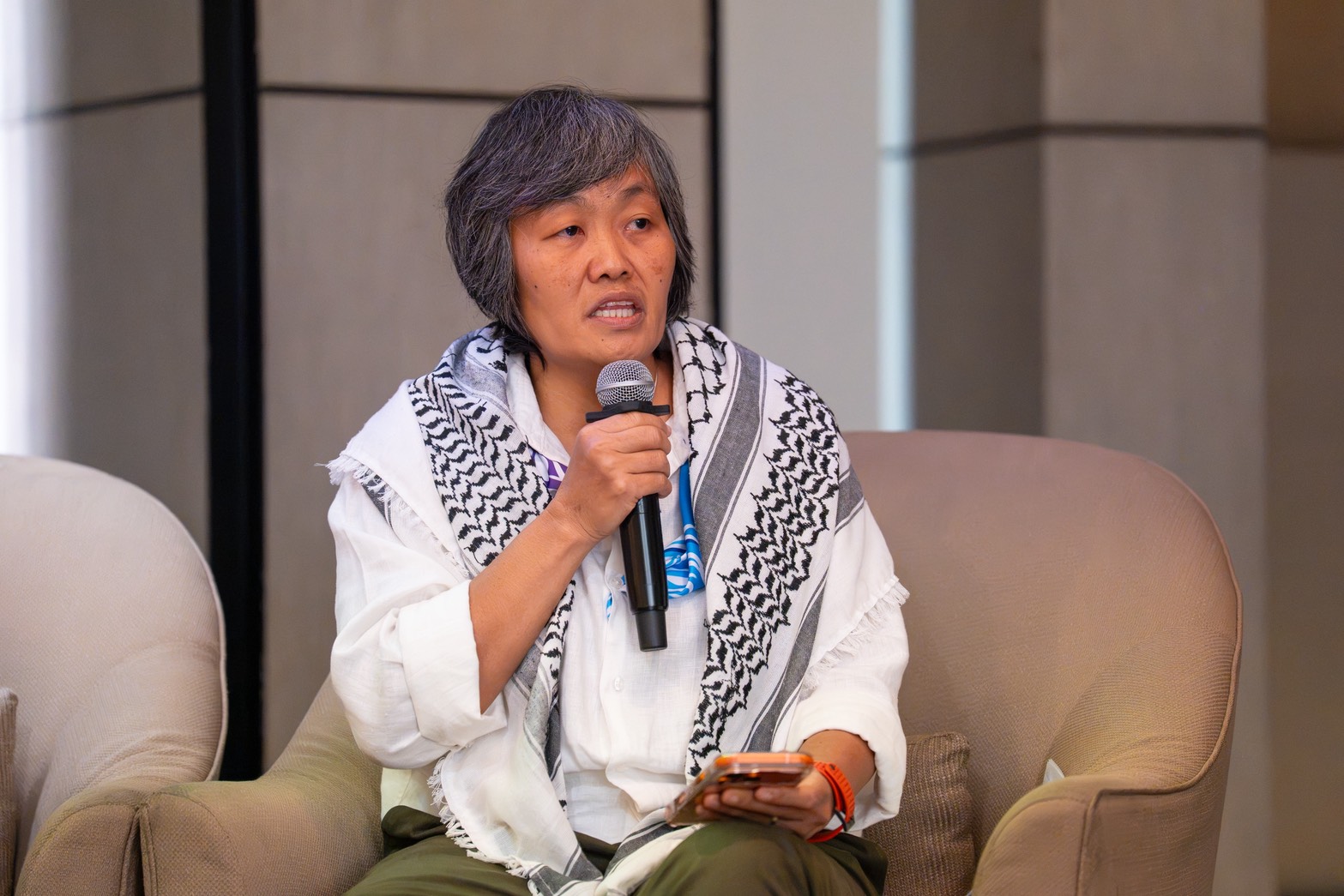
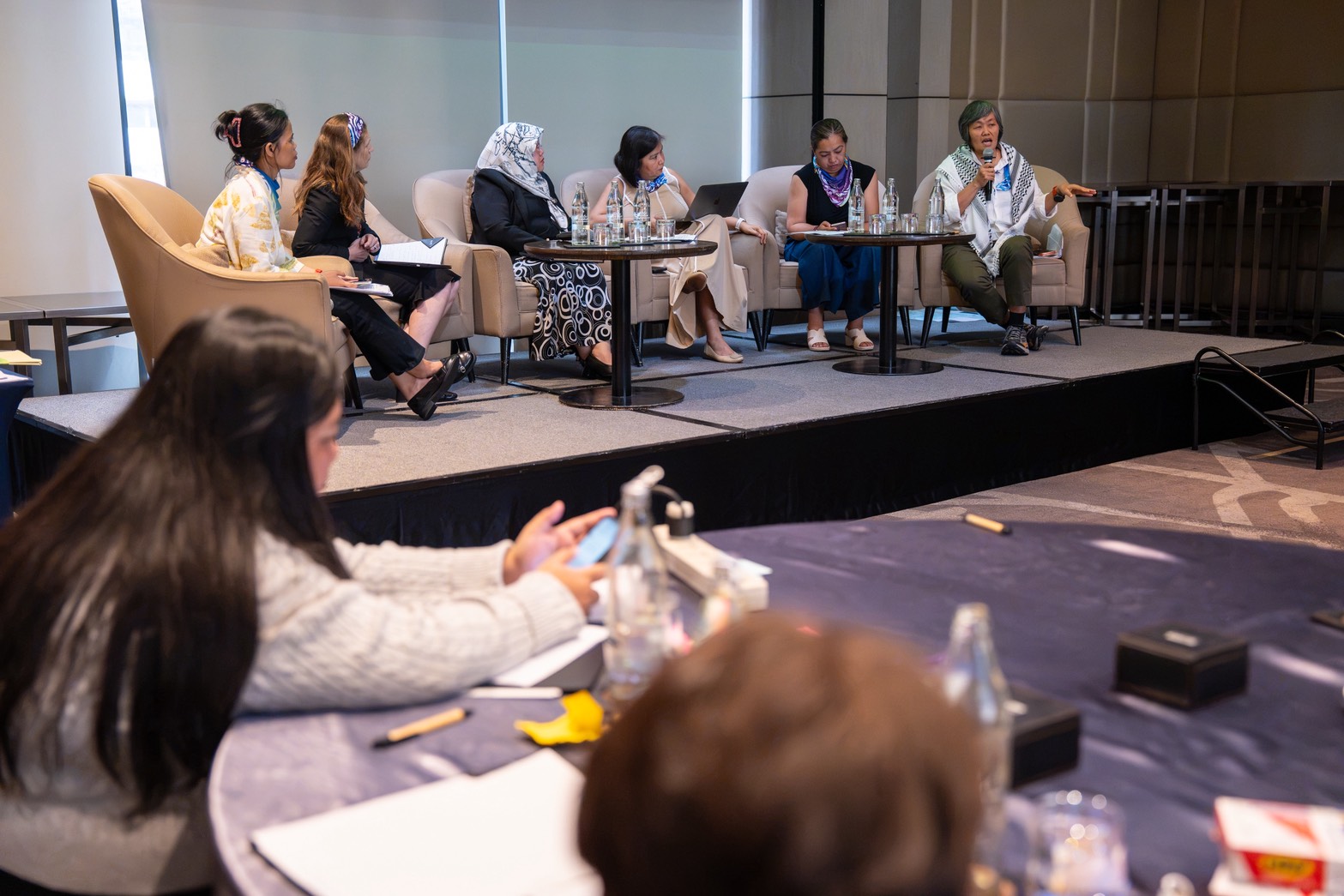
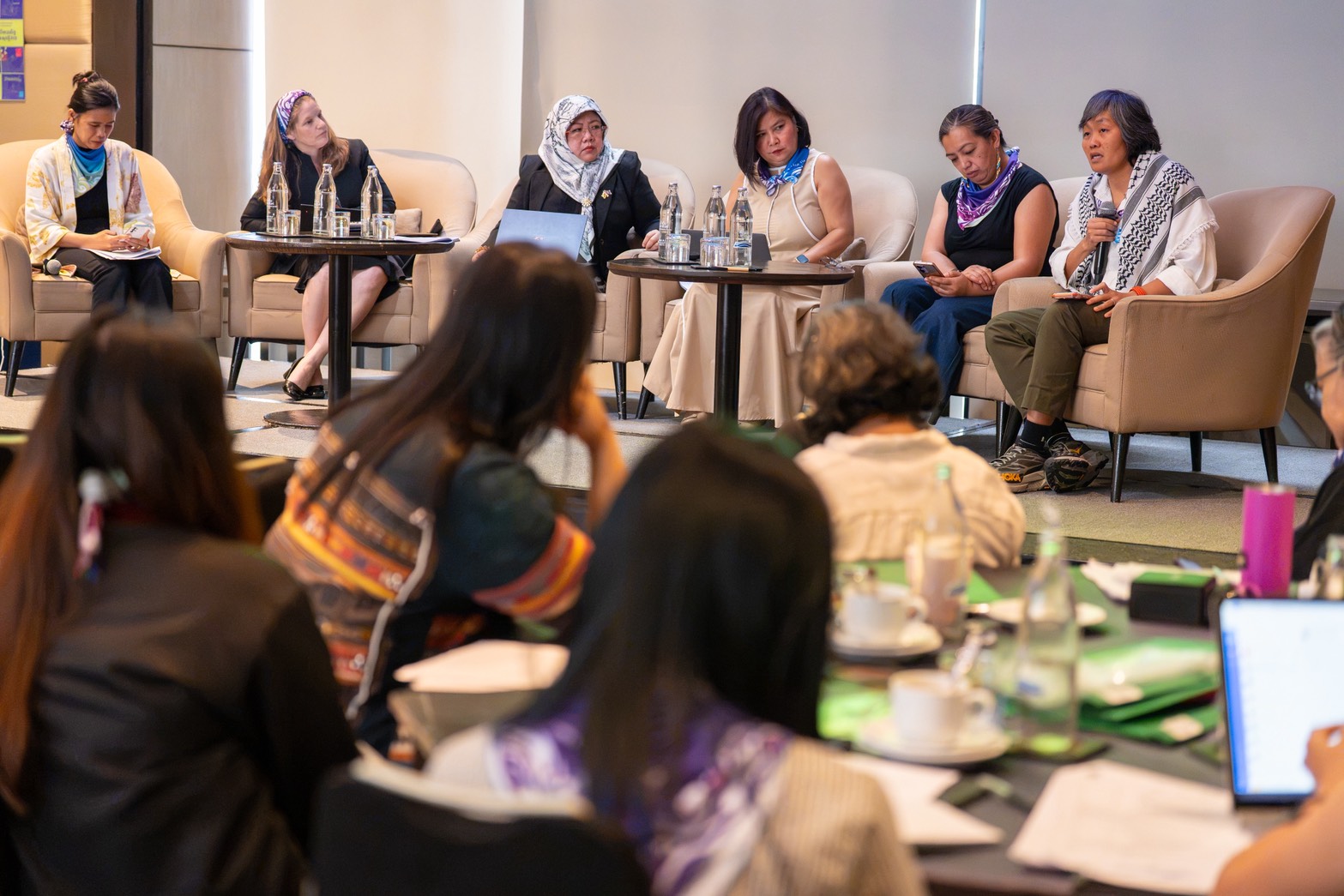
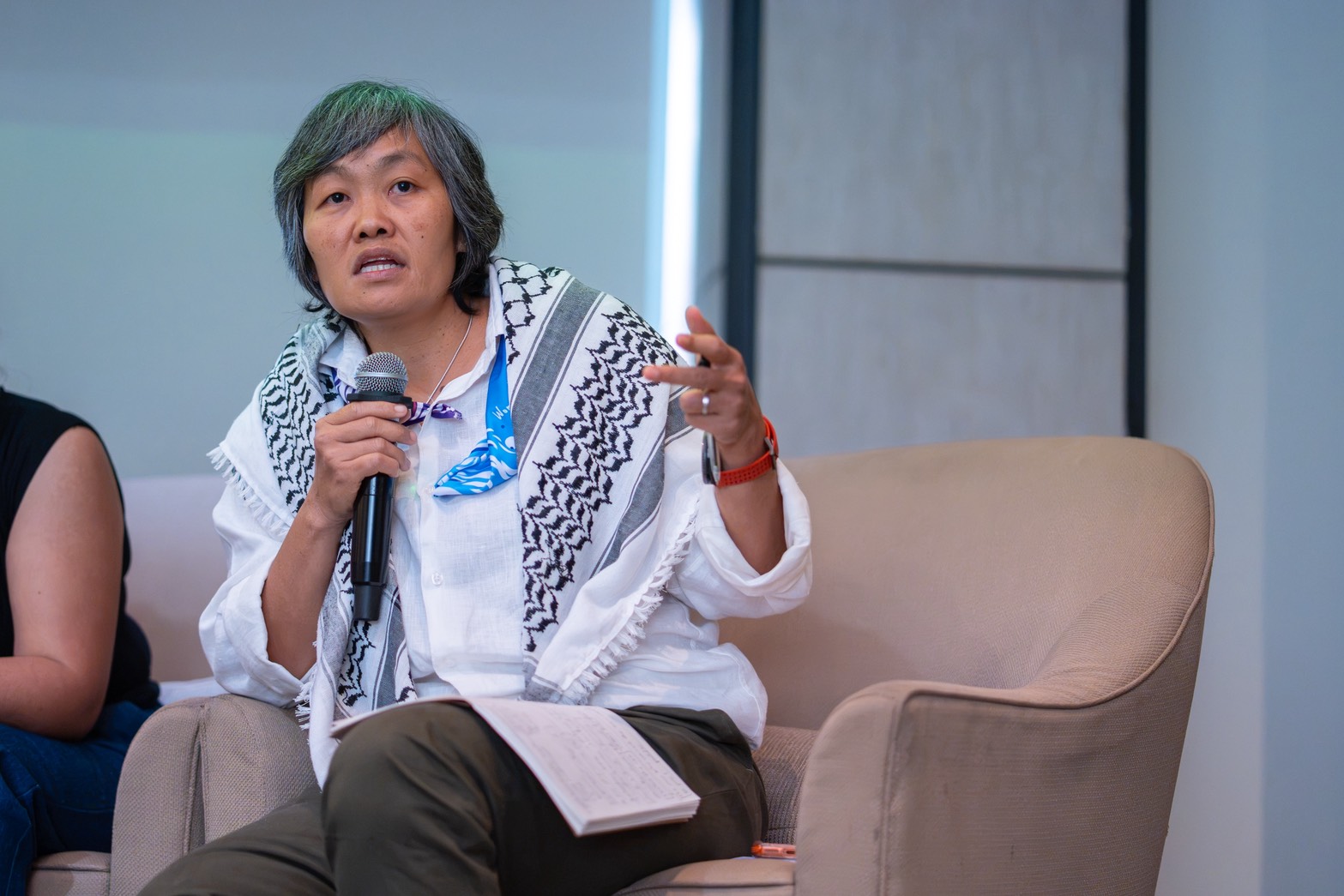
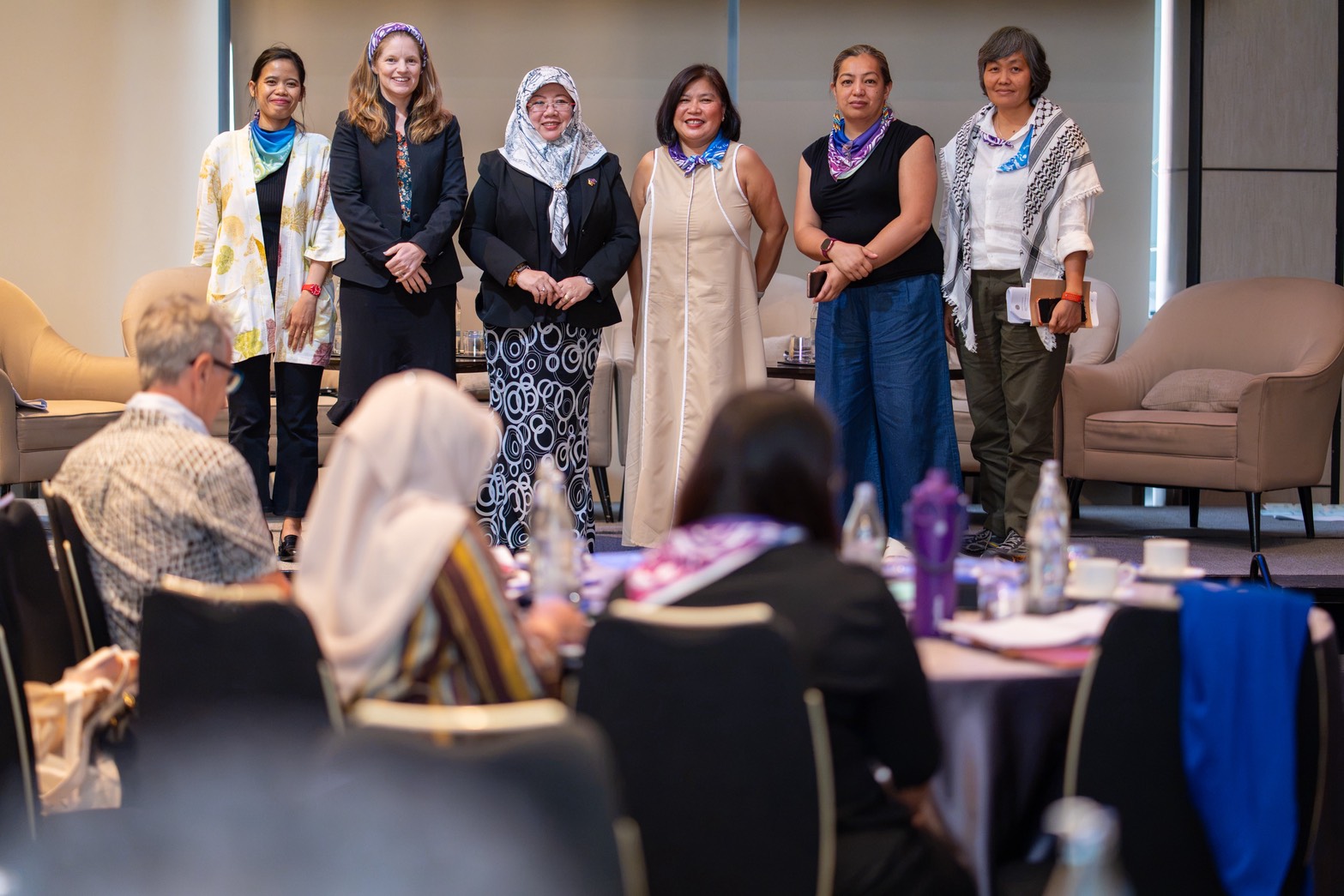
Protection against Discrimination and Human Rights Violations I - Matcha Phornin , Founder and executive director, Sangsan Anakot Yawachon Foundation was honored to speak during the session on “Protection against Discrimination and Human Rights Violations” alongside: - H.E. Nur Judy Abdullah, ACWC Representative on Women’s Rights, Brunei Darussalam - Jelen C. Paclarin, Executive Director, WLB and Co-coordinator, WEAVE - Robie Halip, Executive Director, Right Energy Partnership with Indigenous Peoples - Georgina Lloyd, Regional Coordinator Environmental Law and Governance, UNEP Moderated by Ika Agustina, Executive Director, Kalyanamitra
.jpg)
เนื้อหา
Protection against Discrimination and Human Rights Violations
I - Matcha Phornin , Founder and executive director, Sangsan Anakot Yawachon Foundation was honored to speak during the session on “Protection against Discrimination and Human Rights Violations” alongside:
- H.E. Nur Judy Abdullah, ACWC Representative on Women’s Rights, Brunei Darussalam
- Jelen C. Paclarin, Executive Director, WLB and Co-coordinator, WEAVE
- Robie Halip, Executive Director, Right Energy Partnership with Indigenous Peoples
- Georgina Lloyd, Regional Coordinator Environmental Law and Governance, UNEP
Moderated by Ika Agustina, Executive Director, Kalyanamitra
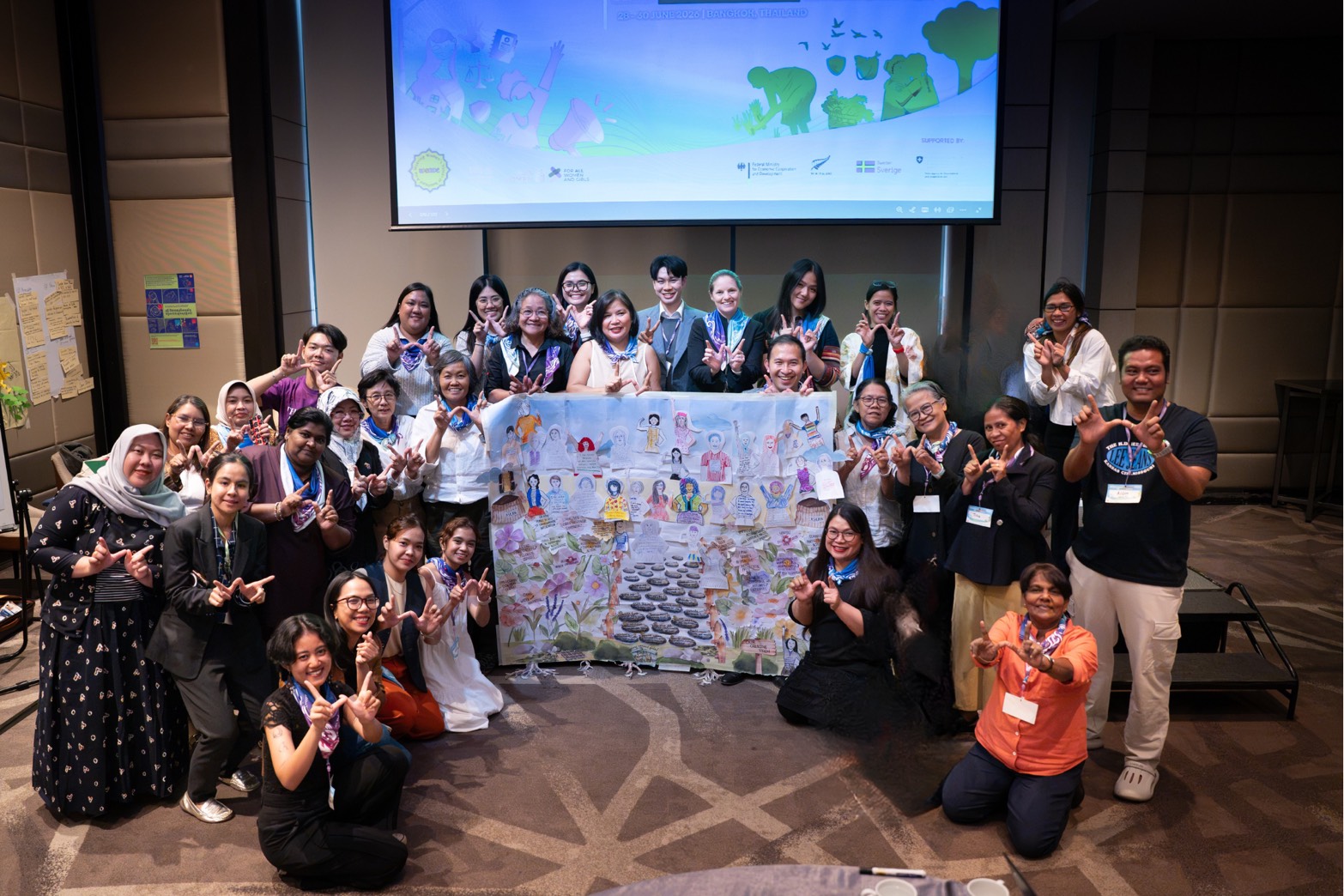
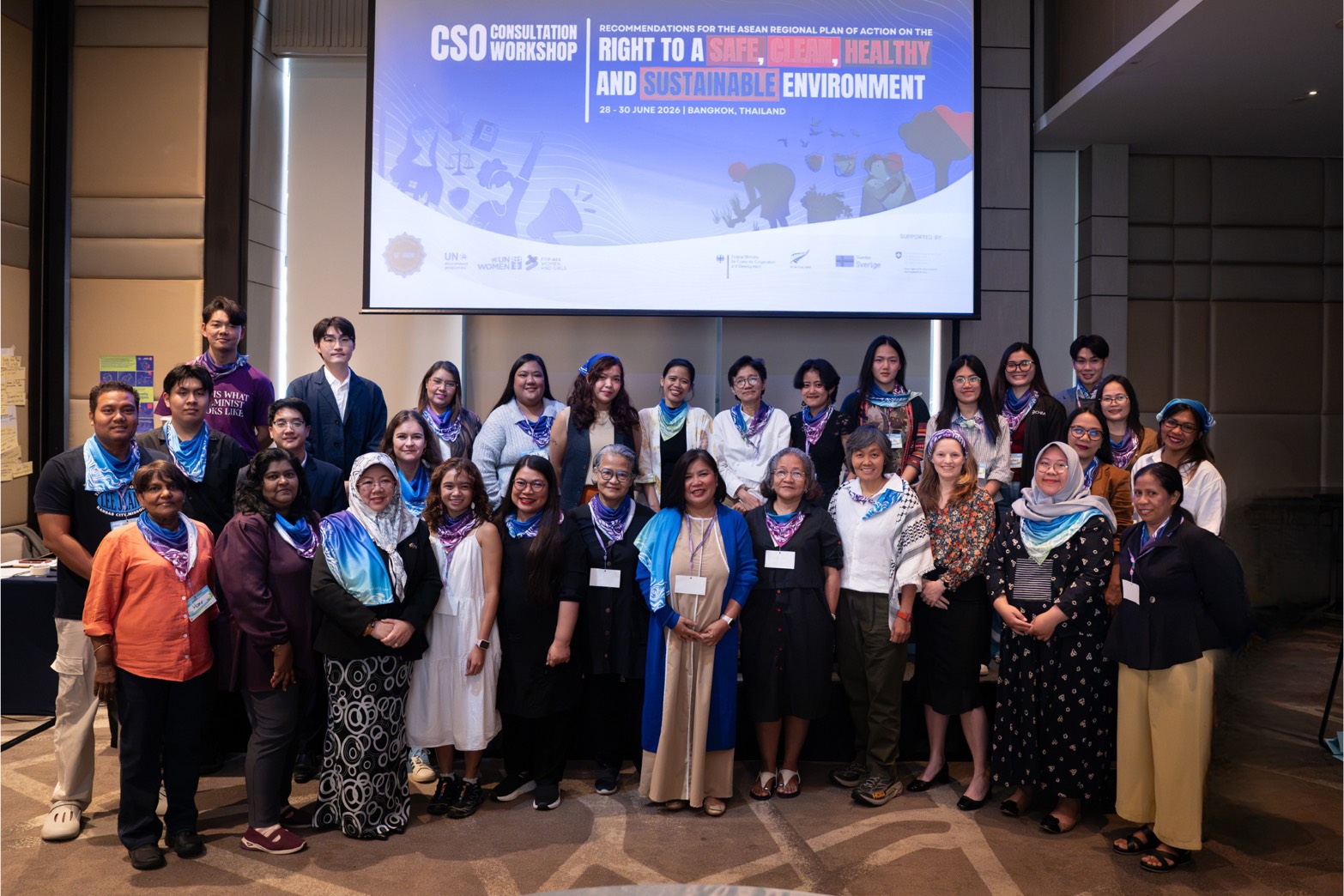
This session was part of the CSO Consultation Workshop on the Recommendations for the ASEAN Regional Plan of Action (RPA) on the Right to a Safe, Clean, Healthy and Sustainable Environment, organized by the WEAVE-Weaving Women's Voices in Southeast Asia Network in Bangkok, Thailand, from 28–30 June 2026.
Over three days, 22 civil society organizations, grassroots women leaders, Indigenous women, young feminists, LGBTIQAN+ and environmental human rights defenders from 10 countries across Southeast Asia came together to exchange stories, strategies, and lived experiences.
During my intervention, I shared the realities faced by Indigenous communities.
I began by saying that this was one of the most difficult speeches for me because the guiding questions did not need more discussion, they demanded action.
I accepted the invitation because my Indigenous community has long been denied its right to a safe, clean, healthy, and sustainable environment.
Our land has been taken. We have been criminalized and forced from our ancestral territories.
The air we breathe is making us sick. Yet Indigenous Peoples are often blamed for the PM2.5 crisis despite being among those who suffer its impacts the most.
The rivers that have sustained our communities for generations, including the Salawin, Kok, Ruak, Sai, and Kong Rivers, are increasingly polluted, threatening both our health and our livelihoods.
Environmental injustice is never only about the environment.
It means women carry an even greater burden of unpaid care work while facing increased risks of violence and discrimination. Families experience hunger and poverty. Communities are forcibly displaced within and across borders. Children, pregnant women, and elders become increasingly vulnerable to illness.
Some children are forced into early marriage. Others are pushed into hazardous child labor, including at mining sites. Some become victims of human trafficking. Far too many lose their lives.
Meanwhile, LGBTIQAN+ people continue to be scapegoated because of homophobia, hatred, and prejudice, despite having no responsibility for these systemic crises.
These injustices are not accidental. They are the result of systems that prioritize profit over people, exploitation over human rights, and exclusion over participation.
I challenged all of us to reflect:
If we already know what is happening, and we already understand the consequences, why are we still not taking action?
What is stopping us?
Is it fear of losing power and privilege? Is it silence? Is it convenience? Or is it because the lives of Indigenous Peoples, women, girls, and LGBTIQAN+ communities are still considered less valuable than profit and power?
The question is no longer what we should do.
The real question is whether we have the courage and political will to do it.
I called on every sector to act:
- Individuals must care, raise awareness, and speak out.
- Civil society must organize, mobilize, and strengthen solidarity.
- Governments must protect rights instead of violating them.
- ASEAN must move beyond commitments toward implementation and accountability.
- The United Nations must ensure that no one is left behind.
- Donors must provide direct, accessible, flexible, and long-term support to Indigenous, feminist, women-, youth-, and LGBTIQAN+-led organizations, not just projects, so communities can lead their own solutions and hold duty bearers accountable.
I also emphasized the urgent need to end destructive projects that violate human rights and destroy ecosystems, including rare earth mining, the Yuam River Diversion Project, dams, and other developments imposed without the Free, Prior and Informed Consent (FPIC) of affected communities.
For the ASEAN Regional Plan of Action, I highlighted two priority recommendations:
1. The RPA must include mandatory human rights and environmental due diligence, guarantee access to effective remedies across borders, and ensure strong protection for environmental human rights defenders.
2. The RPA must guarantee the meaningful participation of Indigenous women, youth, and LGBTIQAN+ people in all decision-making processes. This participation must be supported by direct, accessible, flexible, and sustainable funding for Indigenous women-, youth-, feminist-, and LGBTIQAN+-led organizations so they can participate, lead, and hold duty bearers accountable.
Because there is nothing about us without us.
This consultation was implemented by WEAVE through EmPower: Women for Climate Resilient Communities, jointly implemented by UN Women Asia and the Pacific and the UN Environment Programme in Asia Pacific, with support from the Governments of Germany, New Zealand, Sweden, and Switzerland. EmPower is dedicated to strengthening the leadership of women and marginalized communities in building climate-resilient and just societies.
Special thanks to the WEAVE Network for creating this important space for civil society, Indigenous Peoples, women, youth, feminists, environmental human rights defenders, and LGBTIQAN+ communities across Southeast Asia to come together, share our lived experiences, and collectively shape recommendations for a more just, inclusive, and rights-based ASEAN Regional Plan of Action.
My sincere appreciation also goes to all the organizers, facilitators, speakers, participants, and partners whose commitment, solidarity, and meaningful dialogue made this consultation possible. Together, we continue to affirm that there is nothing about us without us.
Photographer: Tik Thongking